
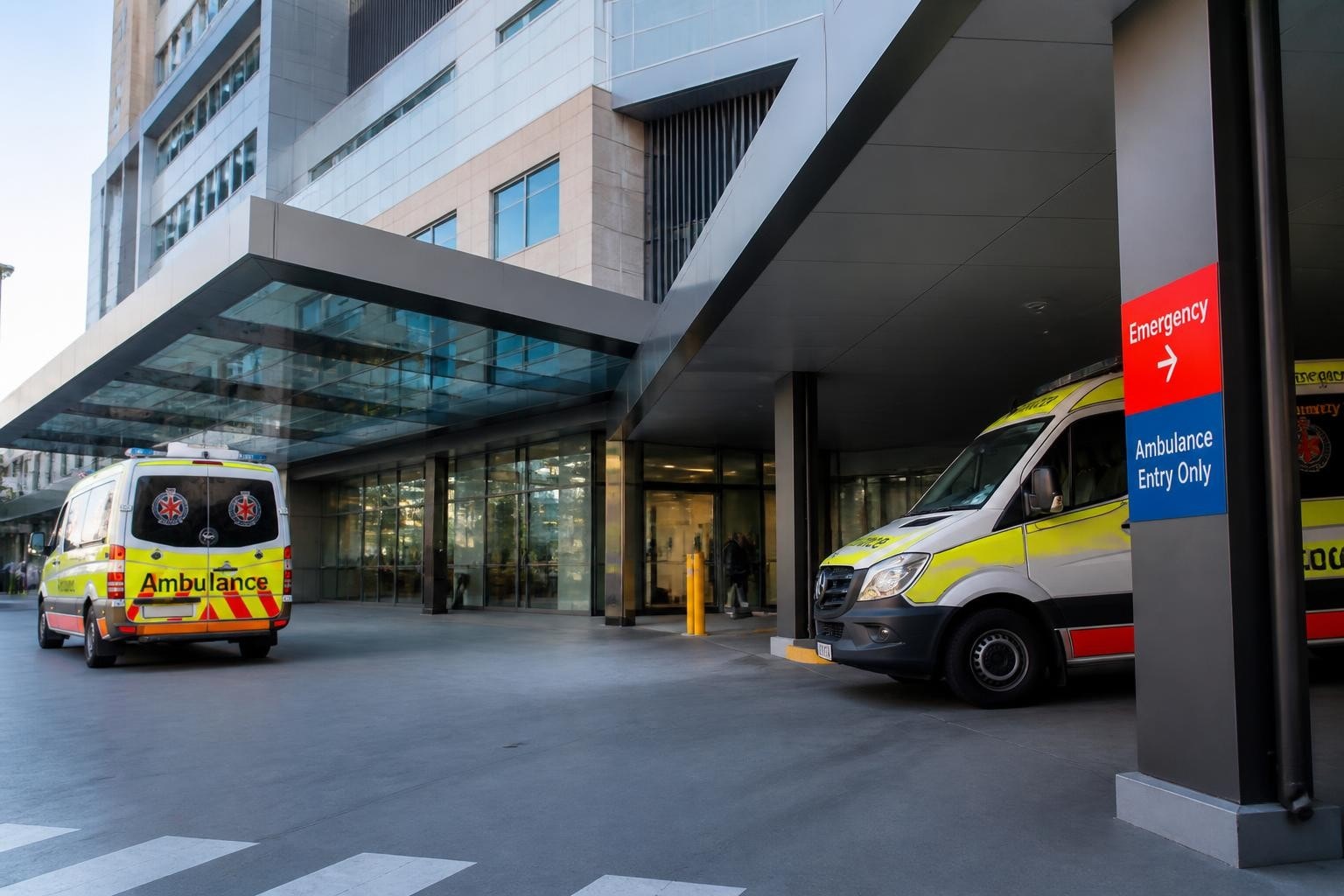
Sydney's health system runs on more than 50 hospitals across eight local health districts, treats over 5.5 million people, and logs close to 1.5 million emergency presentations every year. Behind those numbers sit rostering teams trying to fill shifts, department heads managing leave cycles, and credentialling officers ticking boxes before every new doctor starts. Sydney medical services aren't just about beds and equipment - they're about having the right doctor, with the right credentials, in the right place, when a patient needs them.
What Sydney medical services actually looks like in 2026
Sydney's health footprint covers everything from tertiary referral centres like Royal Prince Alfred and Westmead to smaller district hospitals in the outer west and south. The NSW Public Health Workforce Plan 2024–2034 acknowledges what most clinicians already know: workforce supply has not kept pace with demand, and the gap is widening.
Public hospitals account for the majority of inpatient care, but private facilities - Ramsay, Healthscope and standalone day surgeries - handle significant elective work. Across both sectors, locum doctors fill gaps created by leave, training rotations, unfilled positions and unplanned absences. It's not occasional. It's structural.
The districts and their differences
Each of Sydney's local health districts has a different patient mix, a different geographic spread, and different pressure points. South Eastern Sydney handles the largest patient load. Western Sydney has the fastest population growth. Sydney Children's Hospitals Network operates across two campuses and requires paediatric specialists with specific training and credentialling. Northern Sydney includes both high-acuity teaching hospitals and smaller community facilities that still need specialist cover.
When a hospital in one district needs a locum anaesthetist for a two-week block, they're not just looking for someone with AHPRA registration. They need someone credentialled for that facility, familiar with that hospital's systems, and available on short notice. That's where sydney medical services agencies step in - not as intermediaries, but as operational support.

Demand drivers across Sydney's hospital network
Sydney's hospitals are busy because Sydney's population is growing, ageing, and presenting with more complex comorbidities. According to the Australia's health 2024 report from AIHW, hospitalisation rates for chronic conditions have increased steadily, and emergency department presentations continue to climb year-on-year.
For rostering managers, this translates to more shifts to fill, less slack in the system, and higher consequences when a shift goes unfilled. A cancelled elective list costs the facility revenue and delays patient care. An unstaffed emergency shift means diverting ambulances or calling in senior staff on their days off.
Leave cycles and training rotations
Every hospital runs on predictable leave cycles. Doctors take annual leave, parental leave, study leave and long service leave. Registrars rotate through training programs every six or twelve months. Fellows finish and move on. When these gaps are known months in advance, facilities can plan. When they're not - sick leave, family emergencies, sudden resignations - the phone starts ringing.
Short-term medical locum placements are the standard response. Emergency medicine, anaesthetics, ICU, obstetrics and gynaecology, and psychiatry are the most common requests, but every specialty sees demand. Some hospitals maintain a rotating pool of known locums. Others go to market each time a gap opens.
Infrastructure expansion and new facilities
Western Sydney is adding hospital beds faster than any other part of the state. The NSW Government Budget for 2025–26 includes funding for expansions at Westmead, Blacktown and Liverpool, plus planning for new facilities in growth corridors. New beds mean new rosters, and new rosters mean more doctors.
Opening a new ICU or expanding a surgical suite doesn't just require capital funding. It requires staffing, and staffing takes time. Permanent recruitment can lag twelve months behind infrastructure delivery. Locums bridge that gap while hospitals work through their recruitment pipelines.
How credentialling shapes Sydney medical services
Every doctor working in a Sydney hospital - public or private, permanent or locum - goes through credentialling. AHPRA registration is the baseline. Facilities also verify medical indemnity insurance, relevant college memberships, immunisations, working with children checks, and facility-specific training. Some hospitals require orientation before a doctor's first shift. Others accept evidence of prior credentialling at a comparable facility.
Before any doctor is placed, Best Practice Medical verifies AHPRA registration, medical indemnity insurance, relevant college memberships, and facility-specific requirements. The process is managed in-house, with Brad Nelmes - a practising clinician - overseeing credentialling standards. ISO 9001:2015 certification means the process is independently audited annually.
For hospitals, credentialling delays are one of the biggest frictions in locum engagement. A doctor may be available and willing to work, but if their paperwork isn't complete, they can't start. Recruitment agencies that manage credentialling internally can reduce turnaround time from weeks to days.
What slows down credentialling
Missing documents are the most common delay. A doctor submits their CV and AHPRA number but forgets to attach their indemnity certificate or their most recent CPD summary. The facility's credentialling officer sends a follow-up email. The doctor is on a shift and doesn't reply for 48 hours. The start date slips.
References are another bottleneck. Some facilities require two references from recent supervisors. If one supervisor is on leave or doesn't respond promptly, the process stalls. Agencies that maintain up-to-date records and verified references for their doctor network can move faster than hospitals starting from scratch.

Private versus public: rostering differences that matter
Public hospitals in Sydney operate under state health employment frameworks. Locums are usually engaged through approved panels or preferred supplier arrangements. Private hospitals - Ramsay, Healthscope, and standalone facilities - often have more procurement flexibility but expect the same credentialling rigour.
Public facilities tend to plan further ahead but also carry higher baseline demand. A tertiary hospital running a 24/7 emergency department can't afford gaps. If a rostered doctor calls in sick two hours before a night shift, someone needs to cover it. Private hospitals handle more elective work, which gives them some ability to reschedule, but cancellations still carry costs.
Preferred supplier arrangements
Many sydney medical services agencies hold preferred supplier status with NSW Health, which means they've already passed procurement and compliance checks. For hospitals, this removes the administrative friction of engaging a new provider. For doctors, it means faster placement because the agency is already in the system.
Preferred supplier status doesn't guarantee work, but it does streamline the process. A hospital needing an ICU registrar for a two-week block can go directly to an approved panel, request CVs, and start credentialling without waiting for a new contract to clear legal and finance.
Specialties under the most pressure
Emergency medicine and anaesthetics consistently top the demand list. Both specialties require 24/7 coverage, both have limited workforce pools, and both see high burnout rates. ICU follows closely, especially in tertiary centres running complex cases.
Obstetrics and gynaecology services face seasonal peaks - more births in certain months, more elective gynaecology work in others. Psychiatry has structural shortages across Australia, and Sydney is no exception. Paediatrics requires subspecialty expertise that isn't evenly distributed across the city.
Surgical specialties and VMO gaps
Visiting Medical Officers in surgical specialties - general surgery, orthopaedics, ENT, ophthalmology - often work across multiple sites. When a VMO takes leave or reduces sessions, private hospitals need cover quickly. Public hospitals running elective lists also need backfill to maintain throughput.
Finding a locum surgeon isn't just about availability. It's about rights and credentialling for the specific procedures the facility needs. An orthopaedic surgeon credentialled for hip replacements may not be credentialled for spinal work. Agencies that track specialty-specific credentials can match faster.
How sydney medical services agencies operate
Medical locum recruitment isn't passive job-board advertising. It's active rostering support. Agencies maintain databases of credentialled doctors, track their availability, verify their compliance documents, and coordinate placements. When a hospital calls with a shift to fill, the agency checks who's available, who's credentialled for that facility, and who's worked there before.
Good agencies also provide 24/7 consultant support. If a doctor is running late, gets lost, or has a question about the roster, they can call someone who knows the booking details. If a hospital needs to extend a placement or swap a shift, there's a contact who can make it happen without email lag.
What doctors expect from a locum agency
Doctors working locum shifts expect timely payment, clear communication about shifts, and accurate information about the facility before they arrive. They don't want to turn up for an emergency shift and discover the department runs a different EMR system than they were told. They don't want to chase invoices for weeks after a shift ends.
Agencies that handle invoice management and payment follow-up remove one of the biggest administrative frustrations for contractor doctors. When billing is managed centrally, doctors can focus on clinical work rather than chasing accounts payable departments.
Geographic spread and travel logistics
Sydney's hospitals aren't clustered in the CBD. Campbelltown, Blacktown, Hornsby, and Sutherland all have significant facilities. For doctors living in the inner city, a shift in the outer west can mean a 90-minute commute. For interstate locums, it means coordinating flights, accommodation, and ground transport.
Travel and accommodation coordination becomes part of the placement process for regional and interstate doctors. An emergency physician flying from Melbourne to cover a weekend block at a Western Sydney hospital needs to know where they're staying, how they're getting to the facility, and who to contact if something changes. Agencies that manage logistics end-to-end reduce friction for both the doctor and the hospital.
Interstate and international doctors
Sydney attracts doctors from across Australia and overseas. International medical graduates need additional credentialling checks, and some facilities require supervised practice periods before granting full privileges. Interstate doctors are generally faster to credential, but they still need orientation to NSW Health systems and facility-specific policies.
For hospitals, engaging an interstate locum means covering travel costs and possibly accommodation. For doctors, it means weighing the hourly rate against the time spent travelling. Agencies that broker these arrangements transparently - with costs, conditions and expectations documented upfront - get repeat bookings.
The role of rostering software and workforce planning
Hospitals are investing in rostering software that tracks shifts, leave, credentialling expiry dates and workforce capacity. Some systems integrate with payroll and credentialling databases. Others are standalone tools managed by department heads.
Even with software, rostering remains a human process. A department head knows which doctors work well together, which ones prefer nights, and which ones are studying for exams and need lighter rosters. Software can flag gaps, but it takes a person to decide how to fill them.
Partial and full roster management
Some sydney medical services agencies offer partial or full roster management as a service. Instead of filling shifts reactively, the agency works with the facility to plan ahead, identify recurring gaps, and maintain continuity of cover. This is particularly relevant for departments with chronic shortages or complex rostering requirements.
Roster management contracts are typically longer-term arrangements. The agency becomes an extension of the hospital's workforce team, tracking leave calendars, credentialling renewals, and doctor preferences. For facilities with high locum dependency, this reduces the administrative load and improves roster stability.

Compliance, audit trails and quality assurance
Hospitals are audited. Locum agencies are audited. Accreditation bodies check credentialling records, verify insurance coverage, and review incident reports. When a locum doctor works a shift, their credentials need to be on file, their orientation documented, and their supervision arrangements clear.
ISO 9001:2015 certification is one marker of quality management. It means the agency follows documented processes, tracks key metrics, and undergoes regular external audits. For hospital procurement teams, this provides assurance that the agency isn't cutting corners.
What happens when credentialling fails
If a doctor works a shift without valid credentialling, the hospital carries liability risk. If an adverse event occurs and the doctor wasn't properly credentialled, the facility's indemnity insurer may refuse cover. That's why most hospitals won't allow a doctor to start without signed-off paperwork.
Agencies that track credentialling expiry dates and send renewal reminders reduce the risk of lapsed credentials. Hospitals that use agencies with robust compliance systems reduce their own administrative burden and audit risk.
The feedback loop between doctors and facilities
After a locum shift, both the doctor and the facility provide feedback. Did the doctor arrive on time? Did they integrate well with the team? Did the facility provide adequate orientation and support? This feedback informs future placements.
Doctors who perform well and fit the culture of a department get invited back. Facilities that communicate clearly, pay promptly, and treat locums respectfully get priority when doctors are choosing between offers. Agencies that facilitate this feedback loop build long-term relationships on both sides.
Building continuity in a locum-based system
Continuity of care is harder to maintain when doctors rotate frequently. Some hospitals address this by booking the same locum for recurring blocks - every second weekend, or every Tuesday night shift. This gives patients and staff some familiarity, even if the doctor isn't permanent.
For doctors, recurring placements offer income predictability and the chance to build deeper knowledge of a department's systems and patient population. For hospitals, it reduces onboarding time and improves team cohesion. Agencies that track doctor preferences and facility feedback can broker these longer-term arrangements.
Data, trends and workforce forecasting
HealthStats NSW provides publicly available data on hospital activity, emergency presentations, elective surgery volumes and more. Hospitals use this data to forecast demand and plan staffing. Agencies use it to anticipate where locum demand is likely to spike.
If emergency presentations are trending up in Western Sydney, emergency medicine locums will be in higher demand. If elective surgery backlogs are growing, surgical and anaesthetic locums will see more offers. Understanding these trends helps both doctors and facilities plan ahead.
Planning for 2027 and beyond
The NSW Public Health Workforce Plan maps out strategies for training, recruitment and retention through 2034. It acknowledges that locums will remain a structural part of workforce supply, not just a temporary fix.
For agencies, this means the market isn't shrinking. For doctors, it means locum work will continue to offer flexibility, variety and competitive pay. For hospitals, it means rostering teams will need ongoing relationships with reliable locum providers.
Sydney medical services depend on a complex web of public and private hospitals, credentialled doctors, rostering systems, and the agencies that connect them. When the system works, patients get the care they need, departments stay staffed, and doctors find work that fits their lives. Best Practice Medical connects exceptional doctors with extraordinary locum opportunities across Australia, offering tailored services for medical staffing, ensuring a fast and precise fit for healthcare facilities through thorough candidate screening and placement systems that keep Sydney's hospitals running.